




I came to Korean skincare the way most people do. Through curiosity, then a YouTube rabbit hole, then a very long time spent on the websites of brands I could not yet buy locally.
Korean beauty, K-beauty as the internet calls it, is not a trend. It is a skincare philosophy that has been developing for centuries and has, in the last decade, taught the rest of the world that the ten-step routine is not about product count but about layering function, about treating the skin barrier as something to be preserved rather than stripped, and about thinking long-term rather than chasing the dramatic short-term result.
The brand that made me stop reading and start buying is Beauty of Joseon.
What Beauty of Joseon actually is
Beauty of Joseon is a South Korean brand built on the premise that the skincare wisdom of the Joseon dynasty, which ran from 1392 to 1897, holds answers that modern cosmetic science has been slow to catch up to.
The Joseon era is considered the golden age of Korean culture and scholarship. The women of that era used fermented rice water, ginseng, honey, and hanbang, which is traditional Korean herbal medicine, as the foundation of their skincare. The brand takes those historical ingredients and formulates them with modern cosmetic science to create products that are genuinely effective and genuinely gentle.
The aesthetic is beautiful. The branding is restrained and elegant in a way that K-beauty brands do not always manage. The price point is accessible in a way that quality Korean skincare often is.
The products I use and what they do
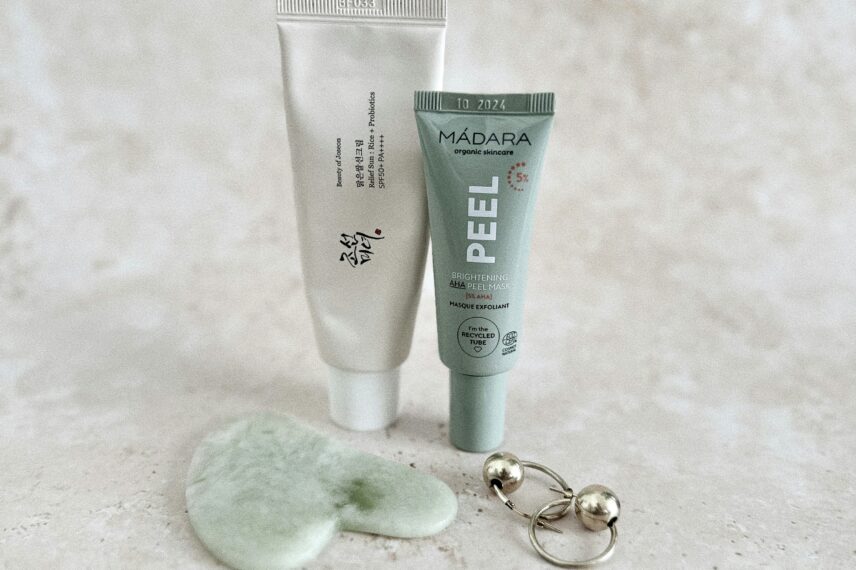
The Relief Sun Rice and Probiotics SPF 50 PA is the product that most people discover first and it earns every piece of praise it receives. Sunscreen in South Africa, and honestly anywhere, is the single most important skincare product you can use. Most people avoid daily sunscreen because the texture is wrong. Too greasy, too white, too heavy for everyday wear under makeup.
This sunscreen has none of those problems. It absorbs like a moisturiser. It leaves no white cast, which matters enormously for darker skin tones and is a failure point for many Western sunscreens. It contains rice and probiotics which support the skin barrier while the SPF does its job. I have not used another sunscreen since I found this one.
The Dynasty Cream is the other product I return to consistently. It contains ginseng, honey, and hanbang ingredients and it is the kind of rich moisturiser that your skin drinks rather than just sits on. I use it at night. By morning my skin is noticeably softer and calmer.
The Glow Serum with Propolis and Niacinamide is worth mentioning because it is the most beginner-friendly active serum in the range. Propolis, which is a resin produced by bees, is antimicrobial and anti-inflammatory. Combined with niacinamide, which evens skin tone and reduces pore appearance, it addresses most of the things people want from a serum without the irritation risk of stronger actives.
Why Korean skincare changes the conversation
Western skincare, particularly the category that has dominated social media for the last several years, tends toward aggression. Strong acids, high-percentage retinols, the peel that promises transformation. These things have their place and some of them work well.
But the Korean philosophy is fundamentally different. The goal is a skin barrier so healthy and so well-maintained that it does not need aggressive intervention. Prevention rather than correction. Nourishment rather than stripping. The long game rather than the dramatic reveal.
If you have sensitive skin, reactive skin, skin that has been overworked by a complicated routine full of actives, Korean skincare is often the return to baseline that everything else can be built from.
Where to start if Beauty of Joseon is new to you
The Relief Sun if you wear nothing else. Please wear sunscreen. Every day. The sun does not take days off and neither does the damage it causes.
Then the Glow Serum. Then the Dynasty Cream if your skin is dry or if you are doing this in winter.
Three products. Used consistently. Give them eight weeks before you decide anything.
Seoul is going to feel very different in November when I walk into a skincare shop in Myeongdong and actually know what I am looking at. I cannot wait.