





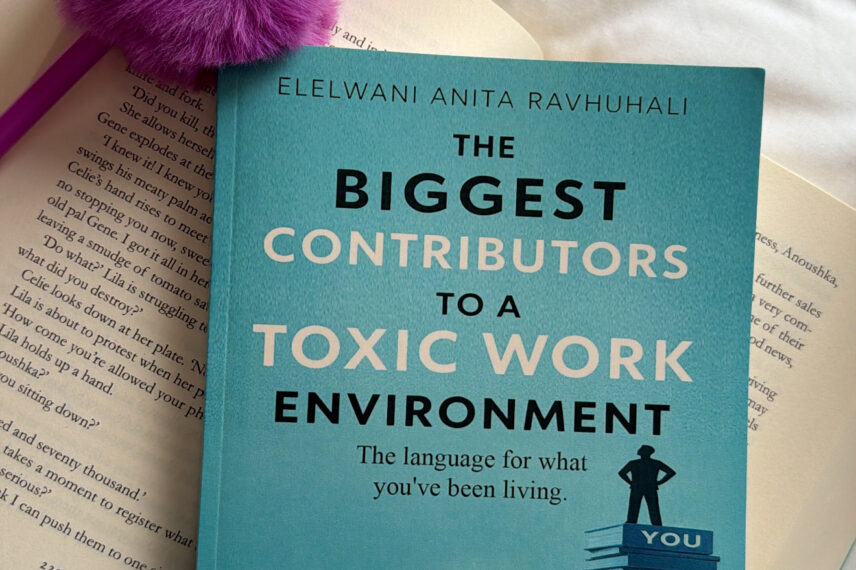

You do not walk out of a toxic job with just a bad reference or a gap on your CV. You walk out carrying it in your body. In your skin. In the way you flinch when your phone buzzes after hours.
Most people talk about toxic workplaces in terms of what happens while you are still in them. The passive aggressive emails. The favouritism. The manager who takes credit for your work. What gets left out of the conversation is what happens after, and how long the damage keeps compounding the longer you stay.
Below are fifteen things that toxic work environments quietly build in a person over time. Some are physical. Some are psychological. All of them are real, and all of them are reversible once you are out and paying attention.
1. Weight
Cortisol does not care about your gym schedule. When your body is flooded with stress hormones five days a week, it holds onto fat differently, disrupts your appetite signals, and makes cravings for sugar and carbohydrates almost impossible to ignore. Some people lose weight under chronic stress. Others gain it. Either way, the shift is rarely about willpower. It is about a nervous system stuck in survival mode.
2. PTSD
Post-traumatic stress disorder is not reserved for combat veterans or survivors of violent crime. Prolonged exposure to a hostile manager, public humiliation in meetings, or a culture of fear can produce the same nervous system patterns. Hypervigilance. Intrusive thoughts about work. A racing heart when a certain name pops up on your inbox. Workplace trauma is real trauma, even when nobody hit you.
3. Cowardice
This one is uncomfortable to admit. Toxic environments train people to stay quiet. You watch a colleague get thrown under the bus and you say nothing, because speaking up has never gone well before. Over time, silence becomes a habit, and that habit follows you out of the building. People who once had strong opinions and firm boundaries start shrinking in every room they enter.
4. Bad skin
Stress dermatitis, adult acne breakouts, eczema flare ups and hair thinning are some of the clearest physical tells that something is wrong internally. Skin is often the first place stress shows up, because it is directly linked to the same hormonal pathways that control your mood and your sleep. If your skin changed dramatically after starting a job, that is not a coincidence.
5. Victimhood
There is a difference between naming what happened to you and living permanently inside that identity. Toxic workplaces can trap people in a mindset where everything feels like it is happening to them, with no sense of agency left. This is not a character flaw. It is what learned helplessness looks like after months or years of having no real control over your environment.
6. Stockholm syndrome
It sounds extreme until you have lived it. Employees in toxic cultures often develop a strange loyalty to the very leaders who mistreat them. They defend the manager who humiliated them in front of the team. They minimise red flags to outsiders. This bonding response is a documented survival mechanism, not a sign of weakness or poor judgement.
7. Idolism
Toxic leaders are frequently charismatic. That charisma is often what got them into power in the first place. Employees can end up idolising a boss who is actively harming them, mistaking control for confidence and cruelty for high standards. Untangling admiration from fear is one of the hardest parts of leaving.
8. Groupthink
Toxic cultures survive because groups of otherwise reasonable people agree, in silence, not to rock the boat. Groupthink shows up as everyone laughing at the same joke at someone else’s expense, everyone staying quiet in the same meeting, everyone accepting the same unreasonable deadline without pushback. It spreads fast because disagreement feels dangerous.
9. Resentment
Unspoken grievances do not disappear. They accumulate. Every unfair performance review, every ignored boundary, every unpaid hour builds a quiet reservoir of resentment that eventually leaks into other parts of life. People bring this resentment home to their families. They bring it into their next job, where it has nothing to do with anyone around them, and everything to do with what was never resolved before.
10. Self-abandonment
This is arguably the most damaging pattern on this list. Self-abandonment is what happens when you consistently choose the demands of a toxic environment over your own needs. Skipping meals to meet a deadline. Missing your child’s event because saying no felt too risky. Staying silent about mistreatment because you convinced yourself it was not that bad. Every one of those choices is a small act of abandoning yourself, and they add up.
11. Chronic adrenal fatigue
Long after the stress event has passed, the body can remain stuck in a state of exhaustion that sleep does not fix. This is often described as chronic adrenal fatigue, where the constant demand for cortisol leaves people feeling wired but tired, unable to wake up refreshed no matter how much rest they get. It is one of the clearest signs that a nervous system has been running on emergency mode for too long.
12. Anxiety attacks
Sunday scaries are common. Full blown anxiety attacks are a different level entirely. Racing heart, tight chest, shaking hands, a sense of impending doom before a meeting that should not warrant that response. When a job produces this reaction consistently, the environment is not simply difficult. It has become genuinely unsafe for that person’s nervous system.
13. Migraines
Tension headaches and migraines are among the most common physical symptoms reported by people in high stress jobs. Clenched jaws, shallow breathing, disrupted sleep and constant low grade dread all contribute to a body that is permanently braced for impact. The headache is rarely just about the headache.
14. Regret
Regret shows up later, once there is enough distance to see clearly. Regret for the years spent trying to fix a culture that was never going to change. Regret for the version of yourself that stayed quiet for far too long. Regret is painful, but it is also useful information. It tells you exactly what your next decision needs to protect.
15. Depression
Chronic stress and depression are closely linked, and workplace toxicity is one of the most common environmental triggers. The loss of motivation, the flattened mood, the sense that nothing you do matters anymore, these are not signs of laziness or a lack of resilience. They are what happens when a person’s environment has been quietly telling them, day after day, that they are replaceable and unworthy of respect.
What to do if you recognise yourself in this list
Naming the pattern is the first step, but it is not the last one. A few practical starting points make the process less overwhelming.
Start documenting. Keep a simple record of incidents, dates and how they affected you. This protects you if you ever need to raise a formal grievance, and it also helps you see the pattern clearly instead of doubting your own memory of events.
Rebuild one boundary at a time. You do not need to overhaul your entire working life in a week. Pick one boundary, whether that is leaving on time twice a week or declining one unreasonable request, and hold it consistently before adding another.
Get support outside the workplace. A therapist, a support group, or even a trusted friend who has no stake in the office politics can help you separate what actually happened from what the culture convinced you was normal.
Have an exit plan, even a loose one. You do not have to resign tomorrow. Update your CV, reconnect with your network, and start looking, even quietly. Having a plan restores a sense of control that toxic environments are designed to strip away.
What this actually means
None of these fifteen things happen because someone is weak. They happen because human beings are not designed to function long term in environments of chronic fear, unpredictability and disrespect. The body keeps score long after the mind has learned to normalise the situation.
This is exactly why the conversation around toxic workplaces cannot stop at HR policy and performance reviews. It has to include what a bad culture does to a person’s body, their relationships, and their sense of self over time. Recognising the pattern is the first step. Naming it removes the shame that so often keeps people stuck.
If any of this list felt familiar, it is worth asking a harder question. Not just what is wrong with this workplace, but what is this workplace doing to me the longer I stay. That question is often the one that finally gets people to leave, get support, or start setting the boundaries they should have set years earlier.
Toxic work environments do not always look dramatic from the outside. Often it is a slow accumulation of small, dismissible moments that only add up to something serious in hindsight. Recognising the signs early, in your body as much as in your calendar, is one of the most protective things you can do for yourself professionally.